Why Rehab is Smarter
Than Drilling New
The common reaction to a dry well is to panic and drill a new one. In Kearny, that is a $1.5M+ mistake. We do not need new holes; we need to reach the "Vault" through the massive infrastructure we already own.
Kearny's historic deep wells (Sites 23CCC and 23CAA) were built with massive 18-inch casings during the copper boom. By applying Managed Aquifer Recharge and Storage (MARS) principles, we can bypass the failing shallow water tables completely.
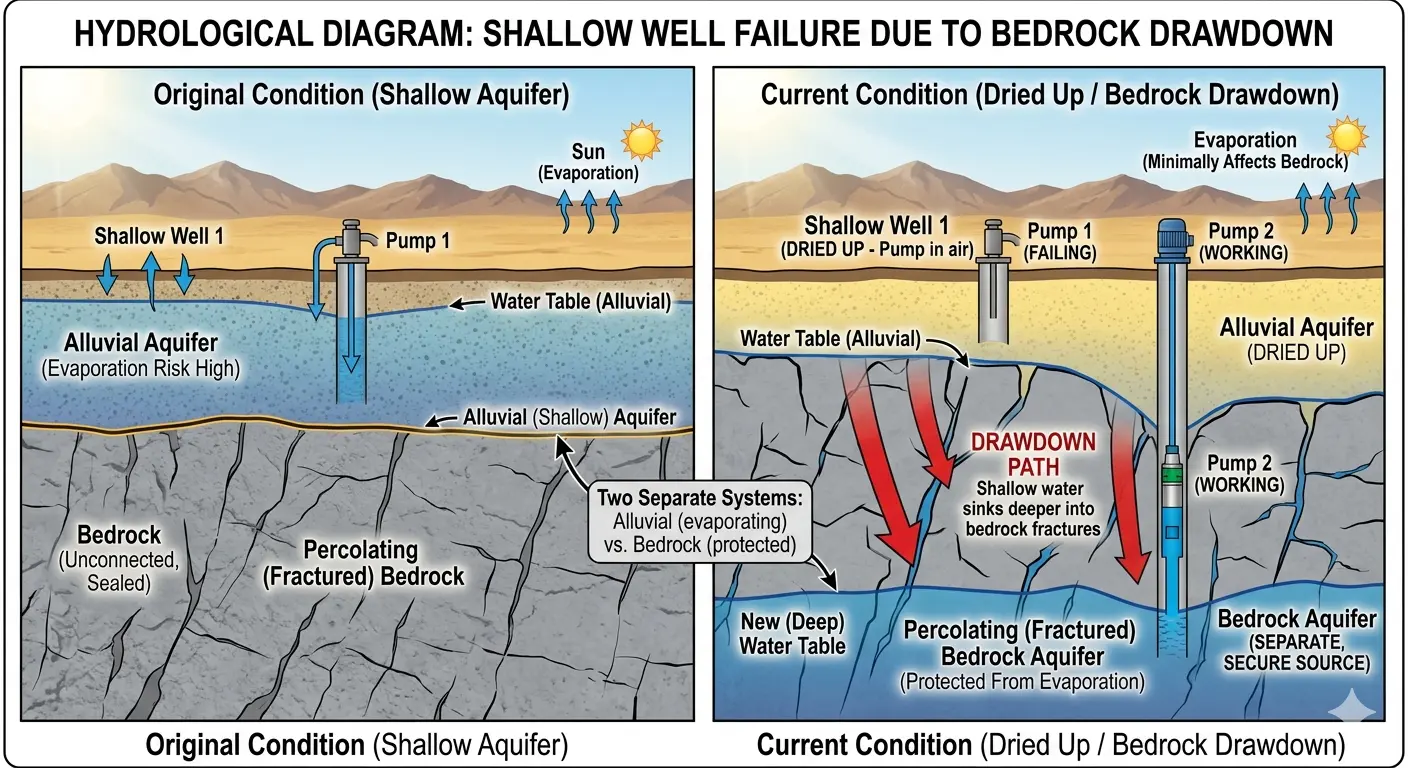
Figure 1.0: Shallow alluvial failure vs. Deep Bedrock Aquifer stability. Sleeving allows us to reach the protected lower zones.
The Sleeving Advantage
By inserting high-tensile steel sleeves down the center of our existing 18-inch deep wells, we achieve three critical victories for the town:
- Seal Out the Decree: By isolating the well from shallow river-water (alluvial subflow), sleeving is intended to help place the well outside the 1935 Globe Equity Decree's jurisdiction — a separation the hydrological study underway is meant to confirm.
- Cleaner, Protected Water: Deep fractured granite aquifers are shielded from surface evaporation and contamination, and are often under natural pressure that can help water rise. Actual water quality and pressure at Kearny's wells remain to be verified by testing.
- Unmatched Cost Efficiency: Cleaning, video-logging, and sleeving an existing 18-inch hole costs a fraction of the price and time of mobilizing a rig to drill a new 1,200-foot bore.
| Recovery Method | Estimated Cost | Water Quality | Timeline to Active |
|---|---|---|---|
| Drill New Deep Well | $1.2M - $1.8M | High | 12-18 Months |
| Project 88 Sleeving Rehab | $250k - $400k | Expected high (pending testing) | 3-5 Months |
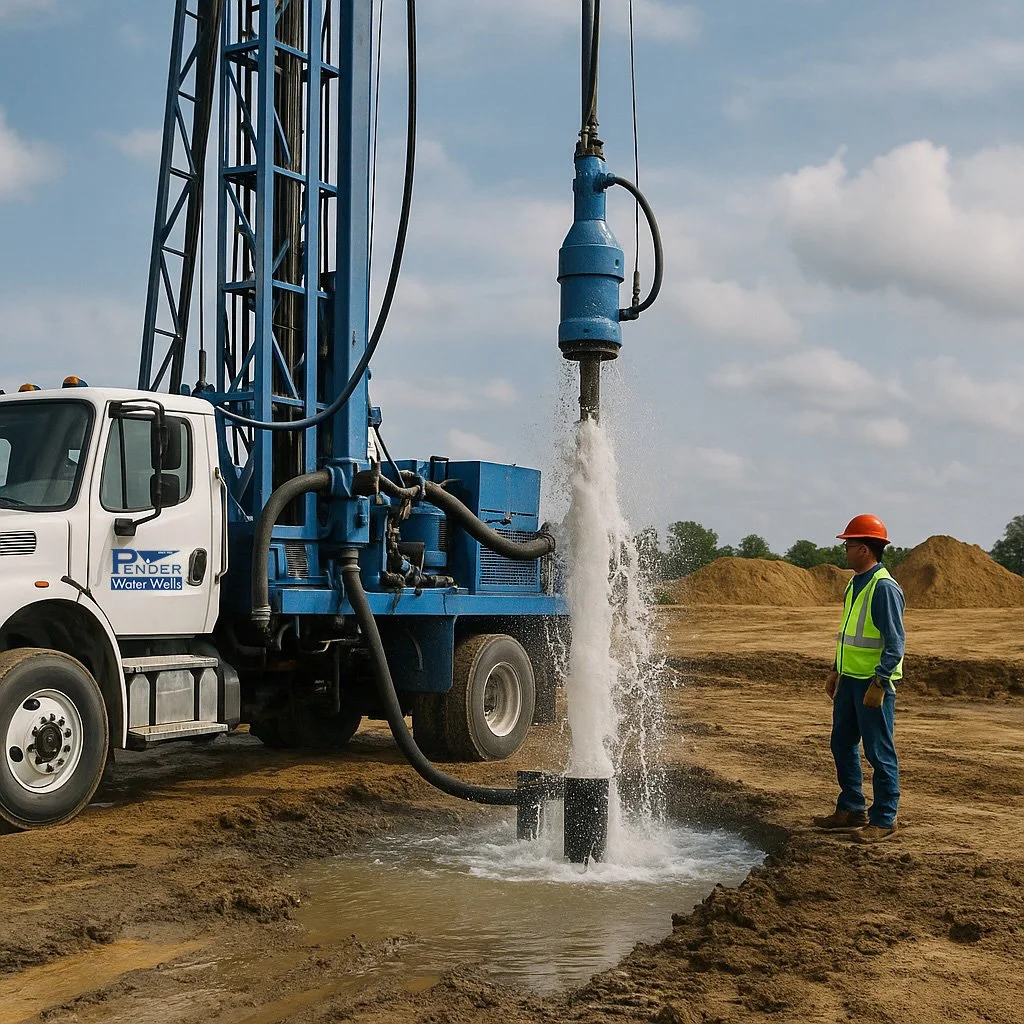
Want to Help?
The most powerful thing residents can do is stay engaged and use water wisely. For questions about how to help, how to donate, or how to conserve, contact the Town of Kearny directly — they coordinate the official response.
📞 Call Town Hall — (520) 363-5547SaveKearnyAZ.org and Project 88 do not accept or handle donations. All donations and official water-emergency matters are managed by the Town Hall of Kearny, Arizona.